
meet our team
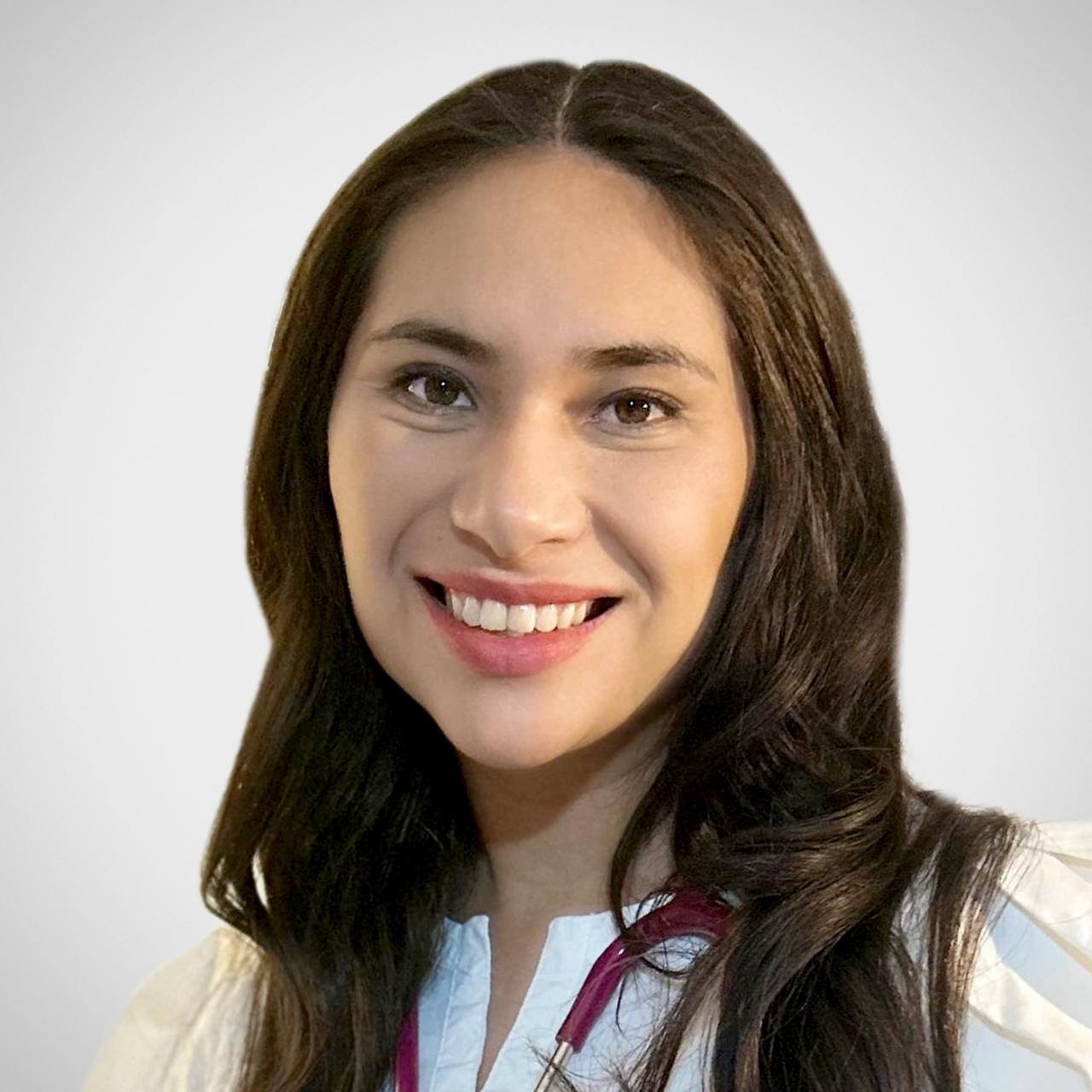
Ymaliz Ramirez, MD
General Pediatrician in El Paso, Texas
Languages spoken:
English
Q&A with Dr. Ramirez
What is your favorite animated movie or cartoon?
Toy Story, I got the VHS for Christmas when I was about 5 and still have most of it memorized
What is your favorite children's book?
Matilda, I admired her resilience, intelligence, and related to her love of books.
What was your favorite childhood toy?
Baby Dolls, my mom saved some and now my kids play with them
Who is your greatest inspiration?
Dr. Kim Mukerjee, my residency mentor, her dedication to help families in need is unmatched, she cared for some of the most vulnerable immigrant families in New Orleans with very little resources and support. With a very small team, worked hard to meet their needs as much as possible, from housing to food to chronic medical care. We once even helped move her furniture into a family's newly obtained housing. Her dedication is inspiring.
What are your hobbies and interests outside of work?
Doing fun things with my family! Whether it is hiking, reading books together, or exploring new places. I also love looking for a good coffee from a local coffee shop with my husband.
What inspired you to work in pediatrics?
I have always enjoyed working with children and helped at church with younger kids since I can remember. I love their playfulness and curiosity even in the hardest of circumstances. I also appreciate the potential to make a big difference in their lives with early intervention and advocacy, whether it be in their development, illnesses, or mental health struggles.
What unique qualities, skills, or services set you apart, and how do you build a positive rapport with patients and their families?
I have experience with patients from a variety of backgrounds and with different needs. I have been able to see how different environmental, socioeconomic, political and other factors affect health and perspective. This allows me to gauge a family's needs and try to understand their perspective, even if very different from my own, in order to more effectively partner with them in advocating for their child's health.
How do you accommodate patients with special needs?
My training involved working in a hospital that was a heart center and transplant center for multiple organs, caring for patients from a vast region covering multiple states, this allowed me to become very familiar with patients with complex needs at different stages in their care. I take the time to assess each patient and determine their needs to connect them with the care that they need.